Author: Check Fuel Prices Team

  • Free Fuel Price Widget: Embed Live UK Petrol & Diesel Prices on Your Website

    Free Fuel Price Widget: Embed Live UK Petrol & Diesel Prices on Your Website

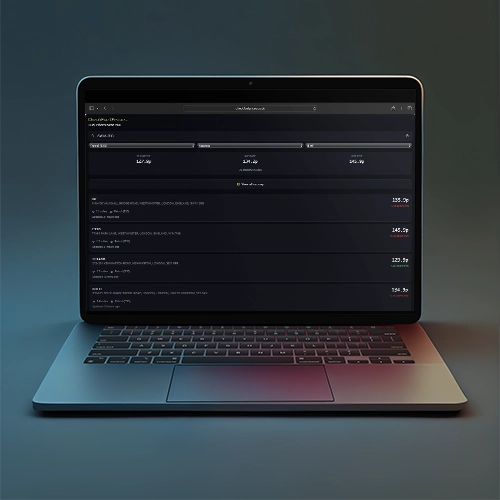
    Want to add real-time fuel prices to your website? The CheckFuelPrices widget lets you embed live UK petrol and diesel prices in minutes – completely free, fully customisable, and powered by official government data.

    Whether you run a news site, motoring blog, local community page, or business website, giving your readers instant access to fuel prices keeps them engaged and coming back.

    Why Add a Fuel Price Widget?

    Fuel costs affect everyone. With petrol averaging 131.60p and diesel at 141.46p per litre, drivers are actively searching for ways to save money at the pump. A fuel price widget on your site:

    Increases engagement – Visitors check prices, bookmark your page, and return regularly for updates.

    Adds genuine value – You’re giving readers useful, actionable information they can use immediately.

    Requires zero maintenance – Prices update automatically every 30 minutes. Set it up once and forget it.

    Costs nothing – The widget is completely free with no usage limits, no API keys, and no premium tiers.

    Powered by Official Data

    Since February 2026, all UK petrol stations must report prices to the government’s Fuel Finder Scheme within 30 minutes of any change. The CheckFuelPrices widget pulls directly from this official source, meaning your readers see accurate, current prices – not stale crowdsourced guesses.

    Over 8,000 UK stations are covered, with more joining the scheme daily.

    How It Works

    Adding the widget to your site takes two minutes:

    Option 1: JavaScript embed (recommended)

    Add the script to your page:

    <script src="https://checkfuelprices.co.uk/js/widget.js"></script>
    

    Then place a container where you want the widget:

    <div data-cfp-widget data-postcode="SW1A 2DR"></div>
    

    → Build this widget visually with the configurator

    Option 2: iframe embed (for Wix, Squarespace, etc.)

    If your platform restricts custom scripts:

    <iframe
        src="https://checkfuelprices.co.uk/widget/embed?postcode=SW1A%202DR"
        width="100%"
        height="600"
        frameborder="0"
        title="Fuel Prices Widget"
    ></iframe>
    

    → Generate your iframe code with the configurator

    That’s it. The widget appears with live prices for the specified location.

    Fully Customisable

    Tailor the widget to match your site and audience:

    Location – Set a default postcode, city, or GPS coordinates. Perfect for local news sites covering specific areas.

    Fuel type – Show E10 petrol, E5 super unleaded, diesel, or premium diesel. A motoring site might show all options; a logistics blog might default to diesel.

    Sort order – Display by nearest station, cheapest price, or most expensive (useful for price comparison content).

    Search radius – From 2 miles for urban areas to 50 miles for rural coverage.

    Number of stations – Show 3 for a compact sidebar widget or up to 20 for a full-page feature.

    Theme – Light, dark, or auto-match to your site’s colour scheme.

    Brand filter – Show only specific brands like Tesco, Asda, Shell, or BP.

    Search bar – Include it so visitors can search their own postcode, or hide it for a cleaner look.

    → Explore all options in the widget configurator

    Example Configurations

    For a local news site covering Manchester:

    <div 
        data-cfp-widget 
        data-postcode="M1 1AE"
        data-limit="10"
        data-radius="10"
    ></div>
    

    → Customise this in the configurator

    For a motoring blog sidebar (compact, no search):

    <div 
        data-cfp-widget 
        data-postcode="London"
        data-show-search="false"
        data-show-filters="false"
        data-limit="5"
    ></div>
    

    → Customise this in the configurator

    For a fleet/logistics site (diesel only, cheapest first):

    <div 
        data-cfp-widget 
        data-postcode="Birmingham"
        data-fuel="B7"
        data-sort="price_low"
        data-radius="25"
    ></div>
    

    → Customise this in the configurator

    For a national site (let users search their area):

    <div 
        data-cfp-widget 
        data-search-first="true"
        data-limit="10"
    ></div>
    

    → Customise this in the configurator

    Lightweight & Fast

    The widget is built for performance:

    Shadow DOM isolation – Styles won’t conflict with your existing CSS.

    Lazy loading – Only loads when visible, keeping your page speed scores healthy.

    Minimal footprint – No bulky frameworks or dependencies.

    Your Core Web Vitals won’t take a hit.

    Use Cases

    News websites – Add a fuel price widget to your money, motoring, or local news sections. Update your weekly fuel price articles with live, embedded data rather than static screenshots.

    Motoring blogs – Give readers practical value alongside your reviews and guides.

    Local community sites – Show prices for your specific town or region.

    Business websites – Fleet operators, delivery companies, and logistics firms can embed prices for quick driver reference.

    Comparison sites – Add fuel prices alongside your existing financial or consumer tools.

    Price tracking content – Embed the widget within articles about fuel costs, making your content more interactive and evergreen.

    Technical Details

    For developers who want more control, the widget offers a JavaScript API:

    const widget = new FuelPriceWidget('#my-container', {
        postcode: 'SW1A 2DR',
        fuel: 'E10',
        theme: 'dark',
        limit: 10
    });
    
    // Update location dynamically
    widget.setLocation(51.5074, -0.1278);
    
    // Change fuel type
    widget.setFuel('B7');
    
    // Refresh data
    widget.refresh();
    

    → Start with the visual configurator, then customise with the API

    All Configuration Options

    AttributeDescriptionExample Values
    data-postcodeLocation to searchSW1A 2DR, Manchester, Leeds
    data-coordsGPS coordinates“51.5074, -0.1278”
    data-fuelFuel typeE10, E5, B7, SDV
    data-sortSort orderdistance, price_low, price_high
    data-radiusSearch radius (miles)1-50
    data-limitStations to show1-20
    data-themeColour themelight, dark, auto
    data-brandFilter by brandShell, BP, Tesco, Asda
    data-show-searchShow search bartrue, false
    data-show-filtersShow filter dropdownstrue, false
    data-search-firstUser enters location firsttrue, false

    → Configure all these options visually

    No Catches

    The widget is genuinely free:

    • No usage limits
    • No API keys required
    • No mandatory attribution (though a link back is appreciated)
    • No premium tier or paywalled features
    • No ads injected into the widget

    We built this to make fuel price data more accessible. The more sites embedding it, the more drivers benefit.

    Get Started

    Ready to add live fuel prices to your site?

    1. Visit the widget configurator to build your widget visually
    2. Copy the generated embed code
    3. Paste it into your website
    4. Done – prices update automatically

    Need help integrating or have a feature request? Get in touch.

    See It In Action

  • Best Petrol Price App UK: Compare the Top Fuel Finder Apps

    Best Petrol Price App UK: Compare the Top Fuel Finder Apps

    With fuel prices varying by up to 20p per litre between stations, a good petrol price app can save UK drivers hundreds of pounds a year. But which fuel finder app actually delivers? We’ve compared the top options to help you find the best fuel finder for your needs.

    What to Look For in a Fuel Price App

    Before diving into the options, here’s what separates a useful fuel finder from a frustrating one:

    Data accuracy – How fresh are the prices? User-submitted data can be days old. Apps using the government’s Fuel Finder Scheme show petrol prices and diesel prices updated within 30 minutes.

    Coverage – How many UK stations are included? The more comprehensive, the better your chances of finding the cheapest option.

    Ease of use – Can you check prices quickly, or do you need to create an account, verify your email, and navigate ads first?

    Cost – Is it genuinely free, or are the best features locked behind a subscription?


    1. PetrolPrices

    Website: petrolprices.com

    Overview: One of the longest-running fuel price services in the UK, PetrolPrices has been helping drivers find cheaper fuel since 2006. The platform offers petrol prices and diesel prices across thousands of UK stations.

    Pros:

    • Established brand with nearly two decades of fuel price data
    • Price alerts when fuel drops in your area
    • Journey planner to find cheap fuel along your route
    • Cashback offers and deals through partnerships

    Cons:

    • Requires account registration to access full features
    • Some features reserved for premium membership
    • Relies partly on user-submitted prices, which can become outdated
    • App interface can feel cluttered with offers and promotions

    Best for: Drivers who want price alerts and don’t mind creating an account.


    2. CheckFuelPrices

    Website: checkfuelprices.co.uk

    Overview: A newer entrant focused on simplicity and official data. CheckFuelPrices integrates directly with the government’s Fuel Finder Scheme, launched in February 2026, which requires all UK stations to report petrol prices and diesel prices within 30 minutes of any change.

    Pros:

    • No account or sign-up required – just search and go
    • Official Fuel Finder Scheme data means prices updated within 30 minutes
    • Works as a Progressive Web App (PWA) – add to home screen without downloading from app stores
    • Clean, fast interface with no ads or upsells
    • Filter by fuel type: E10 petrol prices, E5 super unleaded, diesel prices, premium diesel
    • Browse by brand (Tesco, Asda, Esso, BP, Shell, etc.)
    • Fuel price map for visual comparison
    • Completely free with no premium tier

    Cons:

    • No price alerts (yet)
    • No journey planning feature
    • Newer service, less established than some competitors

    Best for: Drivers who want the best fuel finder experience without creating an account or navigating a cluttered app.


    3. Waze

    Overview: Primarily a navigation app, Waze includes crowdsourced fuel prices reported by its community of drivers.

    Pros:

    • Integrated into navigation – see petrol prices and diesel prices while routing
    • Large user community means decent coverage
    • Free to use

    Cons:

    • Fuel prices are crowdsourced and can be outdated
    • Not a dedicated fuel finder – features are secondary to navigation
    • Requires account to contribute prices
    • Price accuracy varies significantly by area

    Best for: Drivers already using Waze for navigation who want basic fuel price info without switching apps.


    How the Fuel Finder Scheme Changes Things

    Since February 2026, all UK petrol stations must report prices to a central government database within 30 minutes of any change. This Fuel Finder Scheme has transformed the accuracy of petrol prices and diesel prices available to apps that integrate it.

    Apps pulling directly from this official source (like CheckFuelPrices) now offer significantly fresher data than those relying on crowdsourced reports, where prices might be days or even weeks old.

    When choosing a fuel finder app, it’s worth checking whether it uses Fuel Finder Scheme data or relies on user submissions.


    Quick Comparison

    AppSign-up RequiredData SourceFree to UseUK-Focused
    PetrolPricesYesMixed (users + feeds)Partly (premium tier)Yes
    CheckFuelPricesNoFuel Finder SchemeYes (fully free)Yes
    WazeYes (to contribute)CrowdsourcedYesNo (global)

    Current UK Fuel Prices

    As of February 2026, average UK petrol prices sit at 131.60p per litre, with diesel prices at 141.46p. However, these are national averages – actual prices at individual stations can vary by 20p or more per litre.

    On a 50-litre tank, that’s a potential £10 difference between the cheapest and most expensive stations in your area. Using a fuel finder before you fill up takes seconds and can save you over £500 a year.


    How to Add CheckFuelPrices to Your Phone

    If you want to try the no-sign-up approach, CheckFuelPrices works as a Progressive Web App – giving you the best fuel finder experience without the app store hassle:

    iPhone (Safari):

    1. Visit CheckFuelPrices.co.uk
    2. Tap the Share button
    3. Tap “Add to Home Screen”

    Android (Chrome):

    1. Visit CheckFuelPrices.co.uk
    2. Tap the three-dot menu
    3. Tap “Add to Home Screen” or “Install App”

    No download, no account, no storage footprint. Just instant access to live petrol prices and diesel prices across the UK.


    The Bottom Line

    For drivers who want price alerts and don’t mind registering, PetrolPrices offers a mature platform with additional features like journey planning and cashback deals.

    For those who just want to check petrol prices and diesel prices quickly without any friction, CheckFuelPrices delivers the best fuel finder experience – official Fuel Finder Scheme data in a clean, free, no-account-needed package.

    If you’re already using Waze for navigation, its built-in fuel features might be good enough for occasional checks – but a dedicated fuel finder offers more comprehensive and accurate price comparisons.

    Whichever you choose, using any fuel price app regularly beats filling up blind. Check the prices, find the cheapest station, and keep more money in your pocket.

  • Fuel Price Check Analysis – Week of February 16, 2026

    Fuel Price Check Analysis – Week of February 16, 2026

    Current Prices: Petrol 131.60p/L | Diesel 141.46p/L

    The Downward Run Pauses

    After several weeks of falling prices, UK fuel costs have ticked up slightly. Petrol edged up just 0.1p per litre – essentially flat – while diesel rose 0.7p. It’s the first increase for diesel in over a month, though both fuels remain near their recent lows.

    Year-on-Year Savings Still Strong

    Despite this week’s pause, the annual picture remains positive. Petrol is 7.6p cheaper than February 2025 – that’s £3.80 saved on every 50-litre fill, or around £198 over a year of weekly top-ups. Diesel is down 5.0p year-on-year, saving £2.50 per tank or roughly £130 annually.

    The Diesel Premium Widens

    The gap between fuels has stretched to 9.86p per litre, up from 9.20p last week. Diesel drivers are now paying £4.93 more per 50-litre tank than petrol users. The widening spread comes as diesel wholesale costs (64.93p pre-tax) rose while petrol held steady (56.71p). Worth watching if you’re weighing up fuel types for your next vehicle.

    Finding the Cheapest Fuel Near You

    With the Fuel Finder Scheme now live, CheckFuelPrices is pulling prices directly from the government’s central database – updated within 30 minutes of any change at participating forecourts. Price differences of up to 20p per litre between stations mean a quick search before filling up could save you £10 on a single tank.

    Looking Ahead

    This week’s small uptick looks more like a blip than a trend reversal. Oil markets remain relatively stable, and with the Spring Budget approaching, all eyes are on whether the Chancellor will adjust the 52.95p duty rate.

  • Our Fuel Finder Integration Update

    Our Fuel Finder Integration Update

    4th February 2025

    We’ve integrated the government’s new Fuel Finder API to bring you fuel prices from across the UK. Here’s where we’re at.

    What’s Happening

    The Fuel Finder API is experiencing intermittent connectivity issues. When the connection is available, we’re pulling and updating prices — but it’s not as reliable as we’d like right now.

    As a workaround, we’re also working on importing the CSV file the government provides as a backup data source.

    Filling the Gaps

    Not all stations in the Fuel Finder database are reporting prices yet. For those stations, we’re using our retailer feeds to fill in the blanks:

    • Ascona Group
    • Asda
    • BP
    • Esso Tesco Alliance
    • JET Retail UK
    • Karan Retail Ltd
    • Morrisons
    • Moto
    • Motor Fuel Group
    • Rontec
    • Sainsbury’s
    • SGN
    • Shell
    • Tesco

    This means you’re still getting prices for stations that haven’t submitted to the scheme, mapped against the official Fuel Finder station data.

    What’s Next

    We’re monitoring the API and updating prices whenever connectivity allows. Once the government’s system stabilises, you’ll see more consistent updates across all stations.

    Thanks for bearing with us while we work through the teething issues of this new scheme.

  • CheckFuelPrices Now Using Government Fuel Finder Data

    CheckFuelPrices Now Using Government Fuel Finder Data

    We’ve integrated the new Fuel Finder Scheme to bring you more accurate, up-to-date fuel prices across the UK.

    From 3rd February 2025, all UK petrol stations are required to report their prices to a central government database within 30 minutes of any change. This is part of the new Fuel Finder Scheme, introduced to help drivers find the cheapest fuel near them.

    At CheckFuelPrices, we’re now pulling data directly from this scheme for participating forecourts, meaning you’ll see fresher prices than ever before.

    What This Means for You

    When you search for fuel prices on CheckFuelPrices, you’re now seeing data from two sources:

    • Fuel Finder Scheme data — official prices submitted by forecourts to the government database, updated within 30 minutes of any price change
    • Retailer Feeds — for stations not yet fully integrated with the scheme, we continue to monitor prices through our existing methods

    This hybrid approach means we’re covering more stations than ever, while ensuring you get the most current prices available.

    Work in Progress

    We want to be upfront: this is an evolving process. As forecourts submit their data to the new scheme, we’re matching it against our existing database of stations. You might occasionally spot what looks like a duplicate listing — this can happen when a station’s official Fuel Finder entry doesn’t perfectly match our records.

    We’re actively working to clean up these inconsistencies and enrich our data. If you notice any errors or duplicates, let us know — your reports help us improve.

    How to Compare Fuel Prices

    Finding the cheapest fuel near you is straightforward:

    1. Enter your location or postcode
    2. We’ll show you nearby stations with current prices
    3. Compare prices, distance, and facilities
    4. Check when prices were last updated

    Each listing shows the price per litre, how it compares to local averages, and whether it’s worth the drive based on the actual savings versus distance.

    Why This Matters

    According to motoring groups, drivers can pay up to 20p per litre more depending on where they fill up. On a 50-litre tank, that’s a £10 difference. The government estimates the Fuel Finder Scheme could save the average household around £40 a year.

    With petrol currently averaging around 132p per litre — the lowest since July 2021 — and diesel at 141p, there’s never been a better time to shop around.

    Keep Us Posted

    Spotted a price that doesn’t match what you saw at the pump? Found a station we’re missing? Your feedback helps us maintain the most accurate fuel price database possible.

    The Fuel Finder Scheme is a step forward for transparency in fuel pricing, and we’re committed to making that data as useful as possible for UK drivers.

  • Fuel Price Check Analysis – Week of February 02, 2026

    Fuel Price Check Analysis – Week of February 02, 2026

    Current Prices: Petrol 131.62p/L | Diesel 140.82p/L

    Three Weeks of Falls

    UK fuel prices dropped for a third consecutive week, with both petrol and diesel down 0.4p per litre. Petrol has now dipped below 132p for the first time since last spring, while diesel has slipped under 141p.

    Year-on-Year Savings Accelerating

    The annual comparison continues to improve. Petrol is now 7.1p cheaper than February 2025 – that’s £3.55 saved on every 50-litre fill, or roughly £185 over a year of weekly top-ups. Diesel drivers are seeing £2.65 per tank savings (5.3p per litre down), working out to around £138 annually.

    The Diesel Premium

    The gap between fuels has tightened slightly to 9.20p per litre, down from 9.26p last week. Diesel drivers are still paying £4.60 more per 50-litre tank than petrol users, but the spread is slowly compressing as diesel wholesale costs ease faster than petrol.

    Better Data: Government Fuel Finder Scheme Now Live

    From today, we’re pulling prices directly from the new Fuel Finder Scheme. All UK petrol stations are now required to report their prices to a central government database within 30 minutes of any change – and CheckFuelPrices is integrating this data alongside our existing retailer feeds.

    What does this mean for you? Fresher, more accurate prices when you search. The government estimates drivers can save around £40 a year by shopping around, and with price differences of up to 20p per litre between stations, it’s worth a quick check before filling up.

    Looking Ahead

    With oil markets relatively calm and no immediate policy shifts on the horizon, expect this gradual downward drift to continue. The Spring Budget remains the key date to watch for any changes to the 52.95p duty rate.

  • Fuel Price Check Analysis – Week of January 27, 2026

    Fuel Price Check Analysis – Week of January 27, 2026

    Current Prices: Petrol 132.00p/L | Diesel 141.26p/L

    Another Week, Another Drop

    UK fuel prices continued their gentle descent this week, with both petrol and diesel falling 0.6p per litre. That’s two consecutive weeks of declines, bringing petrol below the 132.5p mark for the first time in recent months.

    Year-on-Year: The Real Story

    The annual comparison is where drivers are seeing genuine relief. Petrol is now 6.4p cheaper than this time last year – that translates to £3.20 saved on a 50-litre tank, or around £166 annually for weekly fill-ups. Diesel has dropped 4.3p year-on-year, saving £2.15 per tank or roughly £112 over twelve months.

    The Diesel Gap Narrows Slightly

    Diesel now sits 9.26p above petrol, marginally tighter than last week’s 9.18p spread. The premium remains significant though – diesel drivers are still paying £4.63 more per 50-litre fill compared to their petrol counterparts. For those weighing up their next vehicle purchase, the traditional diesel fuel economy advantage continues to erode at these price differentials.

    Price Breakdown

    The pump price splits roughly into thirds: base fuel cost (57.05p for petrol, 64.76p for diesel), fuel duty at 52.95p, and VAT at 20%. The duty rate remains frozen – any changes in the upcoming Spring Budget could shift the landscape considerably.

    Looking Ahead

    The year-long chart shows prices holding in a relatively stable band, with the downward trend from summer peaks now well established. Barring geopolitical surprises or policy shifts, expect continued modest fluctuations rather than dramatic swings.

  • Fuel Finder Scheme: Government Initiative to Help Drivers Find Cheapest Petrol and Diesel

    Fuel Finder Scheme: Government Initiative to Help Drivers Find Cheapest Petrol and Diesel

    Introduction

    After years of drivers watching fuel prices shoot up like a rocket but drift down like a feather, the government is finally taking action. The Competition and Markets Authority’s (CMA) mandatory Fuel Finder scheme will force UK forecourts to share their prices in real-time, tackling the lack of transparency that’s been costing motorists an estimated £1.6 billion annually due to weak competition.

    While the official scheme launches from February 2026, drivers don’t need to wait—tools like CheckFuelPrices.co.uk already provide comprehensive, real-time fuel price data from over 4,000 UK stations, updated every 30 minutes.

    What is the Fuel Finder Scheme?

    The Fuel Finder scheme is the result of the CMA’s 2023 road fuel market study, which found that competition in the UK road fuel market “was not working as well as it should be.” The government accepted the CMA’s recommendation to introduce a statutory open-data fuel finder scheme, giving drivers access to live fuel prices across the country.

    Key features of the scheme:

    • Mandatory participation: All UK forecourts must report prices to a central database
    • Real-time data: Larger retailers must provide near-real-time updates; smaller stations must update daily minimum
    • Comprehensive coverage: Includes unleaded, diesel, super unleaded, and premium diesel grades
    • Standardized format: Prices shared in a consistent format accessible to third-party apps and services
    • CMA enforcement: The Competition and Markets Authority has powers to impose fines for non-compliance
    • Launch date: Registration opens 2nd February 2026, with a 3-month “support period” where enforcement focuses on helping businesses comply rather than penalties

    The scheme aims to increase transparency and reinvigorate price competition across the UK road fuel market, making it easier for drivers to identify and access the cheapest fuel in their area.

    Why the Government Introduced It

    The CMA’s comprehensive investigation revealed systematic problems in the UK fuel market that justified regulatory intervention:

    “Rocket and feather” pricing: Fuel prices rise rapidly when wholesale costs increase (like a rocket) but fall slowly when costs decrease (like a feather). This asymmetric pricing pattern costs consumers billions annually, as retailers quickly pass on cost increases but delay passing on cost reductions.

    Lack of transparency harming consumers: Without easily accessible, up-to-date price information, drivers struggle to identify which stations offer competitive prices. This information asymmetry weakens competition and allows retailers to maintain higher margins than would be sustainable in a transparent market.

    Geographic price disparities: The CMA found significant price variations between regions:

    • Rural areas often face prices 4-6p per litre higher than urban areas due to limited competition
    • Urban centers show greater price variance between stations (sometimes 8-12p per litre difference within a few miles)
    • Motorway service stations consistently charge premiums of 10-15p+ per litre

    Supermarket versus branded pricing gaps: Competition between supermarket forecourts and traditional branded stations varies dramatically by location. In areas with strong supermarket presence, prices are significantly lower; in areas dominated by branded stations, prices remain stubbornly high.

    International success stories: Similar mandatory price reporting schemes have operated successfully in Australia (FuelCheck) and Northern Ireland for years, demonstrating measurable consumer benefits. These schemes typically reduce average prices by 1-2p per litre through increased competitive pressure—modest but meaningful when multiplied across billions of litres sold annually.

    The government concluded that voluntary transparency wasn’t working and statutory intervention was necessary to rebalance the market in favor of consumers.

    How It Works

    The Fuel Finder scheme operates through a centralized data infrastructure that collects, standardizes, and distributes fuel price information:

    Retailer obligations: Every forecourt operator must register with Fuel Finder and report current prices for all fuel grades they sell. Larger retailers (those with multiple sites) must provide near-real-time updates whenever prices change. Smaller independent stations must update prices at least daily. The standardized data format ensures consistency across all retailers regardless of their internal systems.

    Central database: The government maintains a central database receiving price feeds from all registered forecourts. This database validates, processes, and distributes the data to approved third-party services through open APIs (Application Programming Interfaces).

    Consumer access: Rather than building a single government app, the scheme makes data freely available to third-party services—meaning existing apps, sat-nav systems, mapping services, and price comparison websites can integrate Fuel Finder data. From early 2026, drivers will access current prices through:

    • Dedicated fuel price apps and websites (like CheckFuelPrices.co.uk)
    • In-car sat-nav systems showing prices along routes
    • Mapping services (Google Maps, Apple Maps) displaying fuel prices
    • Voice assistants providing local price comparisons

    Search functionality: Users can search by postcode, location, or along a planned route to find nearby stations with current prices for unleaded, diesel, super unleaded, and premium diesel. The system displays distance, price, and basic station information, allowing drivers to make informed decisions about where to fill up.

    Enforcement mechanism: The CMA monitors compliance and investigates potential breaches. Penalties for non-compliance include substantial fines designed to exceed any commercial advantage gained from failing to report prices accurately or on time. The CMA has indicated that for the first three months (February-May 2026), their focus will be on supporting businesses to comply rather than immediate enforcement action, recognizing that systems and processes need time to bed in.

    How Much Can You Actually Save?

    The savings potential from using fuel price comparison depends on your driving patterns, location, and diligence in checking prices before filling up.

    Typical price variance: Analysis of UK fuel prices shows average price differences of 5-8p per litre between the cheapest and most expensive stations within the same local area (typically within 3-5 miles). In some areas—particularly central London and other major cities—the variance can reach 10-12p per litre.

    For average drivers (filling up approximately 30 litres weekly, or 1,560 litres annually):

    • At 5p per litre savings: £78 annually
    • At 8p per litre savings: £125 annually
    • At 10p per litre savings (optimal station selection): £156 annually

    Regional differences matter significantly:

    London and major cities: Highest price variance (up to 12p per litre) due to diverse competition—expensive central locations versus competitive supermarket sites on the outskirts. Annual savings potential: £150-£180 for vigilant drivers.

    Suburban areas: Moderate variance (5-8p per litre) with reasonable station choice. Annual savings potential: £75-£125.

    Rural areas: Lower variance (3-5p per litre) due to fewer stations, but often higher baseline prices. Annual savings potential: £45-£75, though finding cheaper stations may require longer drives.

    Motorway services: Consistently premium pricing (10-15p above local averages). Avoiding motorway fills when possible saves £3-£9 per tank.

    Real-world example: A typical 50-litre fuel tank costs:

    • Expensive station: £70 (£1.40/litre)
    • Average station: £67.50 (£1.35/litre)
    • Cheap station: £65 (£1.30/litre)
    • Potential saving per tank: £5

    For a driver filling up fortnightly (26 tanks annually), consistently choosing cheap stations saves £130 per year versus expensive options—meaningful money for minimal effort.

    Business drivers and fleet operators: The economics are even more compelling:

    • Small business van (20,000 miles annually, 30 MPG): Potential savings £200-£300 annually
    • Fleet of 10 vehicles: Potential savings £2,000-£3,000 annually
    • Delivery companies with large fleets: Savings can reach tens of thousands of pounds

    The CMA’s research suggesting £1.6 billion in consumer losses due to weak competition translates to approximately £50-£60 per vehicle annually if distributed evenly—indicating that active price comparison can deliver 2-3× this amount in individual savings.

    CheckFuelPrices.co.uk: The Better Alternative

    While the government Fuel Finder scheme represents progress, CheckFuelPrices.co.uk already offers superior functionality and coverage—no waiting required.

    Superior Coverage & Updates

    Comprehensive network: CheckFuelPrices.co.uk currently tracks prices from over 4,000 UK forecourts, covering major supermarkets (Tesco, Asda, Sainsbury’s, Morrisons), branded stations (Shell, BP, Esso, Texaco), and independent retailers. This extensive coverage ensures you’ll find the cheapest fuel regardless of your location.

    Frequent updates: Unlike the government scheme’s daily minimum update requirement, CheckFuelPrices.co.uk refreshes prices every 30 minutes. This matters because fuel prices can change multiple times daily—particularly at competitive stations responding to market movements. Real-time data means catching price reductions before they reverse.

    Available immediately: The government scheme launches February 2026 and will take months to reach full coverage. CheckFuelPrices.co.uk works right now—start saving today rather than waiting for official schemes to go live.

    Advanced Features

    Intelligent route planning: Going on a longer journey? CheckFuelPrices.co.uk identifies the cheapest fuel along your route, not just near your starting point. This prevents situations where you fill up expensively only to pass cheaper stations minutes later.

    Price alerts and notifications: Set alerts for your frequently used stations or local area. When prices drop below your target threshold, you’ll receive notifications—allowing you to fill up when prices are optimal rather than when your tank happens to be empty.

    Historical trends and analysis: View price patterns in your neighborhood over days, weeks, and months. This helps you understand local price cycles (many areas see prices rise Thursday/Friday before weekends, then fall Monday/Tuesday) and time your fill-ups accordingly.

    Station amenities and reviews: Beyond prices, CheckFuelPrices.co.uk provides information on station facilities—car wash availability, shop hours, EV charging, air/water, payment methods accepted—plus user reviews helping you avoid problematic locations.

    Flexible filtering: Search by specific fuel type, maximum distance from location, preferred brands, or price ceiling. This customization ensures results match your actual requirements rather than generic listings.

    Real-Time Savings

    Instant postcode search: Enter your postcode and immediately see all nearby stations ranked by price for your chosen fuel type. The mobile-optimized interface works perfectly on smartphones—check prices while already driving to ensure you’re heading to the cheapest option.

    No registration barriers: Basic price comparison requires no account creation or personal information—just search and save. Optional registration unlocks advanced features like alerts and favorites, but essential functionality remains barrier-free.

    Independent station coverage: Small independent stations not initially included in the government scheme are already represented on CheckFuelPrices.co.uk, ensuring complete coverage from day one.

    Reliability and uptime: As an established service, CheckFuelPrices.co.uk has proven infrastructure and reliability. New government systems often experience technical issues, outages, and growing pains during rollout.

    Start Saving Immediately

    Find your nearest cheap fuel now: Visit CheckFuelPrices.co.uk, enter your postcode, and within seconds you’ll see current prices from all nearby stations. The typical driver saves £5-£10 per tank—£100+ annually—simply by checking prices before filling up rather than using the most convenient station.

    The government scheme is a positive regulatory development, but CheckFuelPrices.co.uk delivers the benefits today with superior functionality, more frequent updates, and comprehensive coverage across the UK.

    Limitations of the Government Scheme

    While well-intentioned, the Fuel Finder scheme faces several practical limitations that may reduce its effectiveness:

    Implementation delays and technical challenges: Large-scale government IT projects frequently experience delays, technical problems, and cost overruns. The initial February 2026 launch date represents the registration opening, not full operational coverage. Expect months of gradual rollout before comprehensive, reliable data becomes available.

    Incomplete initial coverage: Small independent stations may not participate immediately, creating coverage gaps in rural areas and regions dominated by independents. The phased rollout approach means some drivers won’t benefit for months after launch.

    Daily update limitations: The minimum daily update requirement means prices could change multiple times between updates, particularly at competitive stations responding to wholesale price movements. Near-real-time updates from larger retailers help, but even these may lag behind actual price changes by hours.

    Basic functionality: The government scheme provides raw data access but limited consumer-facing functionality beyond basic searching. The user experience will depend heavily on third-party apps integrating the data—and these apps may monetize through advertising, subscriptions, or other methods.

    No historical data or trend analysis: The scheme focuses on current prices without maintaining comprehensive historical data for trend analysis. Understanding local price cycles and patterns won’t be possible through the government system alone.

    Limited mobile functionality at launch: Early iterations of government systems rarely offer polished mobile experiences. Expect desktop-focused interfaces initially, with mobile optimization coming later—problematic for on-the-go price checking.

    Doesn’t address root causes: Price transparency helps consumers navigate the existing market but doesn’t address underlying competition problems. If areas have limited station choice, transparency reveals high prices without providing cheaper alternatives. The CMA acknowledges that structural market reforms may be necessary beyond transparency measures.

    Enforcement uncertainty: While the CMA has penalty powers, the three-month “support period” and focus on helping businesses comply rather than immediate enforcement raises questions about how rigorously the scheme will be policed once fully operational.

    These limitations don’t negate the scheme’s value but explain why established services like CheckFuelPrices.co.uk may continue offering superior user experiences despite government involvement.

    Quick Fuel Saving Tips

    Maximizing fuel savings requires combining price comparison with smart fueling habits:

    Check prices before every fill-up: Visit CheckFuelPrices.co.uk before filling up—even familiar local prices change frequently. The 60 seconds spent checking can save £3-£8 per tank.

    Favor supermarket forecourts: Tesco, Asda, Sainsbury’s, and Morrisons typically undercut branded stations by 3-6p per litre. Their fuel meets identical specifications to premium brands at significantly lower prices.

    Avoid motorway services except emergencies: Service station fuel costs 10-15p per litre more than local stations. Fill up before motorway journeys or exit to nearby towns for dramatic savings.

    Leverage loyalty schemes: Tesco Clubcard, Sainsbury’s Nectar, and branded loyalty programs (Shell Go+, BP rewards) provide points or discounts offsetting costs. Combine with already-cheap base prices for maximum value.

    Drive to save when worthwhile: Driving 1-2 miles out of your way for 5p+ per litre savings makes economic sense for 40+ litre fills (£2+ saving minus negligible extra fuel cost). Don’t drive 10 miles for 1p savings—the extra fuel costs more than you save.

    Monitor local price cycles: Many areas show predictable patterns—prices rising Thursday/Friday, falling Monday/Tuesday. Understanding your area’s cycle through CheckFuelPrices.co.uk’s historical data helps time fill-ups optimally.

    Combine with hypermiling techniques: Price comparison addresses cost per litre; efficient driving reduces litres needed. Together, these strategies compound savings—20% efficiency improvement plus 5p per litre savings delivers far more than either alone.

    Business drivers use fuel cards: If you drive for work, business fuel cards often provide additional discounts at specific networks. Combine card discounts with CheckFuelPrices.co.uk data to identify optimal stations for your card.

    Fill up when tank reaches quarter-full: Waiting until nearly empty forces you to use whatever station is nearest rather than choosing the cheapest. Filling at quarter-tank maintains flexibility to wait for better prices or convenient locations.

    Share good finds: When you discover consistently cheap stations, share via CheckFuelPrices.co.uk reviews or with friends and colleagues. Community sharing improves data quality and helps fellow drivers.

    FAQs

    When will the Fuel Finder scheme launch?

    Forecourt registration opens 2nd February 2026, with mandatory price reporting beginning the same date. The CMA has announced a three-month “support period” (February-May 2026) focusing on helping businesses comply rather than enforcement. Expect gradual rollout of third-party services integrating the data throughout 2026. However, CheckFuelPrices.co.uk already provides comprehensive coverage—no need to wait.

    Will all petrol stations participate?

    Eventually, yes—participation is mandatory under statutory requirements. Major retailers and large chains must comply immediately from February 2026. Smaller independent stations will be phased in gradually, though precise timelines haven’t been published. The CMA has enforcement powers including fines for non-compliance, though initial focus will be on support rather than penalties.

    How often are prices updated?

    The government scheme requires daily minimum updates from smaller stations and near-real-time updates from larger retailers when prices change. However, “near-real-time” can still mean lags of hours. In contrast, CheckFuelPrices.co.uk updates every 30 minutes across all stations, catching price changes faster than minimum compliance requirements.

    Can I report wrong prices?

    The Fuel Finder scheme will include mechanisms for reporting inaccurate prices, though details haven’t been finalized. CheckFuelPrices.co.uk already features robust user verification—you can confirm current prices or report changes, with community validation ensuring accuracy. This crowd-sourced approach often catches errors faster than centralized reporting.

    Will this actually lower fuel prices?

    Increased transparency and easier price comparison should apply downward competitive pressure on prices. Similar schemes in Australia and Northern Ireland demonstrated average reductions of 1-2p per litre as retailers competed more aggressively knowing consumers could easily compare. However, areas with limited competition may see minimal price reductions—transparency reveals high prices but doesn’t create new competitors. The CMA acknowledges that structural market reforms beyond transparency may be necessary.

    Is CheckFuelPrices.co.uk the official government scheme?

    No, CheckFuelPrices.co.uk is an independent service that has been providing comprehensive fuel price comparison since before the government scheme was announced. It offers superior features, more frequent updates (every 30 minutes vs daily minimum), and broader current coverage than the government scheme will initially provide. When Fuel Finder launches, third-party services like CheckFuelPrices.co.uk may integrate government data alongside their existing feeds for even more comprehensive coverage.

    Does price comparison really make a difference?

    Absolutely. The CMA’s research found that weak competition costs consumers £1.6 billion annually. For individual drivers, consistently choosing cheaper stations saves £75-£150+ per year depending on mileage and local price variance—meaningful money for minimal effort. The time invested checking prices (60 seconds per fill-up) delivers exceptional return on investment.
  • Is E10 Damaging? The Truth About the New Standard Petrol and Older Engines

    Is E10 Damaging? The Truth About the New Standard Petrol and Older Engines

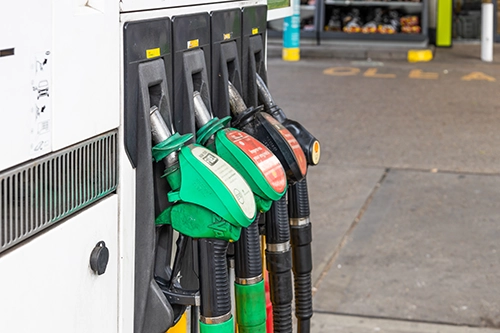
    In September 2021, E10 replaced E5 as the standard grade of petrol at UK forecourts, marking the biggest change to pump fuel in decades. The switch sparked immediate concern among owners of older vehicles, with online forums filling with warnings about destroyed fuel systems, corroded components, and catastrophic engine failures. Classic car enthusiasts were particularly alarmed, some claiming the new fuel would render their cherished vehicles undriveable.

    But how much of this anxiety is justified, and how much is exaggeration? The truth, as is often the case, lies somewhere between “completely harmless” and “imminent disaster.” While E10 does present genuine compatibility issues for certain vehicles, understanding the actual risks—and how to mitigate them—is essential for making informed decisions.

    This comprehensive guide cuts through the hysteria to explain what E10 actually is, which vehicles are genuinely affected, what damage can realistically occur, and most importantly, what you should do if you own an incompatible vehicle. Whether you’re driving a 2005 Ford Focus or a pristine 1970s MGB, you’ll find evidence-based answers here.

    What is E10?

    E10 petrol is a blend of 10% bioethanol and 90% conventional unleaded petrol, doubling the ethanol content of the previous E5 standard (5% ethanol, 95% petrol). This might seem like a minor tweak, but that additional 5% bioethanol creates both environmental benefits and compatibility challenges.

    Bioethanol is a renewable fuel produced from plant materials—primarily sugar beet and wheat in Europe, or corn and sugarcane globally. It burns cleaner than pure petrol, producing fewer carbon emissions and reducing the fossil fuel content of every litre sold. The UK government’s switch to E10 was driven by renewable fuel obligations and climate targets. According to the Department for Transport, the change is expected to reduce CO2 emissions by approximately 750,000 tonnes per year—equivalent to removing 350,000 cars from the roads.

    E5 fuel hasn’t disappeared entirely—it’s still available as super unleaded (97+ octane) at most forecourts. This premium grade must meet E5 specifications, making it the fallback option for incompatible vehicles. However, the price difference is significant, typically 10-15p per litre more expensive than standard E10. For motorists who drive 10,000 miles annually in a car averaging 35 MPG, switching from E10 to E5 adds approximately £140-£210 per year to fuel costs.

    Why the government made this mandatory relates to the Renewable Transport Fuel Obligation (RTFO), which requires fuel suppliers to include minimum percentages of renewable content. Increasing ethanol from 5% to 10% was the most straightforward way to meet escalating targets without requiring infrastructure changes (unlike E85, which requires 85% ethanol). The switch also brought the UK in line with many European countries and the United States, where E10 has been standard for years.

    The rollout wasn’t without controversy. The government consulted extensively before implementation, ultimately deciding that the environmental benefits and the availability of E5 as an alternative justified the change despite the impact on older vehicles.

    Which Vehicles Are Affected?

    The government estimates approximately 600,000 vehicles on UK roads are incompatible with E10, though this represents less than 2% of the total fleet. The age of your vehicle is the primary indicator of compatibility, but it’s not the only factor.

    Pre-2011 petrol vehicles face the highest risk. The specific cutoff varies by manufacturer, but generally speaking:

    • Cars manufactured before 2002 have a high likelihood of incompatibility
    • Vehicles from 2002-2011 fall into a grey area—some are compatible, many aren’t
    • Cars built from 2011 onwards are almost universally E10-compatible, as manufacturers began designing for higher ethanol blends

    However, these are generalizations. Some manufacturers embraced ethanol compatibility earlier than others. For example, most Volkswagen Group vehicles from 2000 onwards are E10-compatible, while certain Japanese models from the mid-2000s aren’t.

    Classic cars and specific vulnerable models include virtually all vehicles manufactured before the 1990s, particularly those with carburettors rather than fuel injection. Notable problem vehicles include:

    • Pre-2002 Ford models (particularly Focus, Fiesta, Ka)
    • Early Nissan Micras and Almeras (pre-2002)
    • Mazda MX-5s built before 2002
    • Classic Minis and MG models from any era
    • Most vehicles with carburettors
    • Many vehicles with fuel systems featuring rubber components not designed for ethanol exposure

    The government checker tool at gov.uk/check-vehicle-e10-petrol allows you to enter your vehicle’s registration number and receive definitive compatibility information. This should be your first port of call—it’s based on manufacturer data and is far more reliable than internet speculation. If your vehicle isn’t listed or returns an uncertain result, contact your manufacturer directly or check your owner’s handbook.

    Motorcycles and small engines deserve special mention. Many motorcycles manufactured before 2011 aren’t E10-compatible, including popular models from Honda, Yamaha, and Suzuki. The MCIA (Motorcycle Industry Association) maintains a separate compatibility checker. Garden equipment, lawnmowers, chainsaws, and generators are particularly vulnerable—many small two-stroke and four-stroke engines were never designed for ethanol fuels and can suffer rapid degradation. Always check manufacturer guidance before using E10 in any petrol-powered equipment.

    The Federation of British Historic Vehicle Clubs estimates that around 600,000 classic vehicles in the UK shouldn’t use E10, though many owners are already using super unleaded as a matter of course due to the higher octane rating benefiting older engine designs.

    The Real Risks Explained

    Understanding the actual mechanisms of E10-related damage helps separate genuine concerns from urban myths. The problems stem from ethanol’s chemical properties rather than any defect in the fuel itself.

    Material compatibility issues are the primary concern. Ethanol is a solvent—more aggressive than pure petrol at degrading certain materials. In incompatible vehicles, it attacks:

    • Rubber and plastic fuel lines: Older fuel systems used materials that swell, become brittle, or dissolve when exposed to ethanol. Modern vehicles use ethanol-resistant materials like fluoroelastomers, but pre-2000s vehicles often don’t.
    • Seals and gaskets: Fuel pump seals, injector o-rings, and carburettor gaskets may degrade, leading to leaks or component failures.
    • Fuel tanks: Some older vehicles (particularly classics with composite or fibreglass tanks) can suffer from internal degradation.
    • Carburettor components: The small passages and jets in carburettors are vulnerable to blockage from degraded material particles.

    The timeline for damage isn’t instantaneous. A single tank of E10 in an incompatible vehicle won’t immediately destroy your fuel system. The degradation is cumulative—occurring over weeks, months, or years depending on the severity of material incompatibility. Some vehicles show no issues for the first year before problems develop. Others experience immediate running problems if particularly vulnerable components exist.

    Ethanol’s hygroscopic nature—its tendency to absorb moisture from the air—creates a secondary problem set. Ethanol-blended fuel absorbs water from atmospheric humidity, and once saturated, undergoes phase separation where the ethanol/water mixture separates from the petrol. This separated mixture:

    • Cannot burn properly in engines, causing running issues
    • Accelerates corrosion of metal fuel system components
    • Creates potential for microbial growth in fuel tanks
    • Is particularly problematic in vehicles stored for extended periods

    Fuel degradation in stored vehicles accelerates dramatically with E10. While pure petrol remains usable for months in storage, E10 begins degrading within 3-4 weeks, particularly in non-sealed systems exposed to air. Classic cars used occasionally are especially vulnerable—the fuel in the tank, carburettor, and lines absorbs moisture and degrades between uses, potentially causing starting issues and requiring fuel system cleaning.

    Performance and fuel economy impacts are measurable even in compatible vehicles. Ethanol contains approximately 33% less energy per volume than petrol, meaning E10 delivers slightly less power and economy than E5. Real-world testing shows 1-2% reduction in MPG—barely noticeable in daily driving, but real nonetheless. For a vehicle averaging 40 MPG, this equates to approximately 0.5 MPG reduction. The lower energy density also means marginally reduced performance, though modern engine management systems compensate automatically.

    Engine knocking and running issues can occur in older vehicles with fixed ignition timing. Ethanol has a higher octane rating than pure petrol (about 108-110 RON), which should theoretically reduce knocking. However, if the fuel system is degrading and feeding debris into the combustion chambers, or if phase separation has occurred, rough running, hesitation, and poor starting become issues. Some carburetted engines also run leaner with E10, requiring mixture adjustments.

    Long-term versus short-term exposure matters significantly. Occasional use of E10 in an incompatible vehicle—say, a single emergency fill-up—carries minimal risk. The cumulative nature of material degradation means that continuous use over months is where serious damage occurs. Conversely, a compatible vehicle suffers no degradation regardless of how long E10 is used.

    Scientific Evidence and Real-World Data

    Separating fact from fiction requires examining actual research and documented experiences rather than relying on internet speculation.

    Industry testing has been extensive, particularly in markets where high-ethanol blends have been used for decades. The American Petroleum Institute (API) and automakers have conducted thousands of hours of durability testing with E10 and higher blends. These studies confirm that vehicles designed for ethanol operation experience no increased wear or component failures. However, they also validate that older vehicles with incompatible materials do suffer degradation—particularly rubber fuel lines manufactured before 2000 and certain gasket materials.

    The Federation Internationale de l’Automobile (FIA) commissioned research into E10’s effects on classic vehicles, finding that pre-1990s cars face genuine risks. Their testing showed that carburettor components, fuel pumps with rubber diaphragms, and cork-based gaskets are particularly vulnerable. However, they also noted that many perceived problems were actually pre-existing issues made worse by ethanol exposure rather than E10 causing new damage to perfectly healthy systems.

    Real-world feedback from the continent—where E10 has been standard in countries like France and Germany since the early 2010s—provides valuable long-term data. Classic car clubs report that members who switched to premium E5 fuel experienced no issues, while those who continued using E10 saw increased fuel system maintenance requirements. However, catastrophic failures remained rare—most issues manifested as leaking fuel lines, degraded seals requiring replacement, or carburettor cleaning needs.

    UK mechanics and specialists report a noticeable increase in fuel system work since E10’s introduction, particularly on vehicles from the 2002-2010 era. Common issues include:

    • Fuel pump failures in vehicles with rubber-diaphragm pumps
    • Fuel line weeping or perishing
    • Carburettor flooding from degraded needle valve seals
    • Fuel filter blockages from degraded tank liner material

    However, they also emphasize that many vehicles in the “at-risk” age range use E10 without issues. The problem isn’t universal—it depends on the specific materials used by each manufacturer.

    Insurance implications remain unclear. Most insurers haven’t explicitly addressed E10-related damage in policy documents. In principle, using fuel clearly marked as unsuitable for your vehicle could complicate claims, but there’s no evidence of insurers systematically denying claims for E10-related damage. Classic car insurers generally recommend E5 premium fuel as best practice, aligning with manufacturer guidance for most historic vehicles.

    Warranty considerations for newer used vehicles potentially not E10-compatible are more significant. If you continue using E10 in a vehicle the government checker identifies as incompatible, and fuel system damage results, a manufacturer warranty might not cover repairs. However, given that E10 is the standard pump fuel, proving that damage resulted specifically from E10 rather than age, mileage, or other factors could be challenging.

    The consensus among technical experts is that E10 presents real but manageable risks for incompatible vehicles, not the apocalyptic fuel system destruction initially feared. Appropriate precautions eliminate virtually all problems.

    What to Do if You Have an Incompatible Vehicle

    Discovering your vehicle isn’t E10-compatible doesn’t mean it’s destined for the scrapyard. Several practical solutions exist, each with different cost and complexity implications.

    Switching to super unleaded E5 is the simplest and most reliable solution. All super unleaded in the UK must meet E5 standards (maximum 5% ethanol), making it safe for any vehicle that previously ran on standard unleaded. The downsides are purely financial—you’re paying 10-15p per litre more, adding £140-£210 annually for an average motorist. However, this avoids all compatibility concerns and often provides better performance due to the higher octane rating (97+ RON versus 95 RON for regular unleaded).

    For classic car owners already buying super unleaded for the octane benefits, E10’s introduction changes nothing. For budget-conscious owners of 2005-2010 vehicles, the extra cost stings but remains far cheaper than fuel system repairs or vehicle replacement.

    Finding E5 stations has become easier thanks to fuel price comparison tools. CheckFuelPrices.co.uk shows which stations offer super unleaded and their current prices, helping you locate the most affordable E5 near you. Most major supermarkets and branded stations stock super unleaded, though some smaller independent stations only carry standard grades.

    Fuel additives and treatments marketed as “E10 protection” have flooded the market, claiming to prevent ethanol-related damage. The evidence for their effectiveness is mixed. Quality additives like Millers VSPe Power Plus or Ethomix do contain detergents, corrosion inhibitors, and fuel stabilizers that provide some protection—particularly for stored vehicles. However, they cannot prevent mechanical degradation of fundamentally incompatible materials. Think of them as risk-reduction measures rather than complete solutions.

    For classic cars stored between uses, fuel stabilizers containing ethanol-specific additives genuinely help prevent phase separation and fuel degradation. Products specifically formulated for ethanol fuels (rather than generic fuel stabilizers) are worth using if you must store E10 in the tank.

    Classic car storage considerations require special attention. Best practices include:

    • Drain the fuel system if storing for more than a month—remove fuel from the tank, carburettor, and lines
    • Fill the tank completely if draining isn’t practical, minimizing air space and moisture absorption
    • Add fuel stabilizer specifically designed for ethanol fuels
    • Run the engine briefly monthly if possible to circulate fresh fuel
    • Use E5 super unleaded exclusively if the vehicle sees occasional use

    Many classic car owners now maintain two fuel supplies—E5 super unleaded for their historic vehicles and standard E10 for modern daily drivers.

    Converting older vehicles to E10 compatibility is theoretically possible but rarely economically sensible. Conversion requires:

    • Replacing all rubber fuel lines with ethanol-resistant alternatives
    • Fitting ethanol-compatible fuel pump and seals
    • Replacing any cork or vulnerable gaskets
    • Potentially treating or replacing fuel tanks with degradable linings

    For a standard family car from 2005, this conversion might cost £500-£1,000 in parts and labor—making it questionable value versus simply using E5 fuel for the vehicle’s remaining lifespan. For valuable classics, professionally converting the fuel system to modern materials might be worthwhile, particularly for vehicles in regular use.

    Some owners report success with DIY fuel line replacement, but ensuring every vulnerable component is addressed requires expertise. Missing a single o-ring or gasket defeats the purpose.

    The Bigger Picture

    E10’s introduction sits within a broader context of fuel evolution and environmental regulation that will continue reshaping the forecourt landscape.

    Environmental benefits are E10’s primary justification. The Department for Transport calculates that replacing E5 with E10 reduces greenhouse gas emissions by approximately 750,000 tonnes annually—equivalent to taking 350,000 cars off UK roads. This stems from bioethanol’s renewable nature; while burning it still produces CO2, the plants used to create it absorbed atmospheric CO2 during growth, creating a shorter carbon cycle than fossil fuels extracted from the ground.

    Critics rightfully note that bioethanol isn’t carbon-neutral when production energy, agricultural inputs, and land-use changes are considered. Studies vary wildly on bioethanol’s true carbon footprint, with estimates ranging from 20% to 70% lower than pure petrol depending on feedstock and production methods. Nevertheless, it represents a marginal improvement over pure fossil fuels while existing infrastructure remains in place.

    Future fuel standards will likely see further changes. E10 isn’t the endpoint—it’s a stepping stone toward:

    • E20 or higher blends: Already used in countries like Brazil, though requiring significant vehicle and infrastructure modifications
    • Drop-in biofuels: Advanced synthetic fuels chemically identical to petrol but produced from renewable sources
    • Hydrogen and electrification: The ultimate replacement for liquid fossil fuels, though infrastructure rollout remains decades away

    For older vehicle owners, each increase in ethanol content compounds compatibility concerns. The government has stated no immediate plans for E15 or E20, but classic car organizations continue lobbying for permanent E5 availability as a “protection grade” fuel.

    Impact on fuel prices has been modest. E10 itself isn’t significantly cheaper to produce than E5—the cost difference at the pump reflects market positioning rather than production costs. Bioethanol prices fluctuate with agricultural commodity markets, potentially creating different pricing dynamics than crude oil-based fuels. In practice, E10 and E5 pricing differences (10-15p/litre) primarily reflect the premium positioning of super unleaded rather than fundamental production cost differences.

    Finding the right fuel for your situation has become more complex but remains manageable. Tools like CheckFuelPrices.co.uk help locate both E10 and E5 stations with current pricing, allowing you to make informed decisions. If you’re running an incompatible vehicle on E5 super unleaded, comparing prices across stations can offset some of the premium fuel cost—sometimes finding super unleaded at a budget station for less than standard unleaded at premium-branded forecourts.

    The fuel marketplace will continue evolving toward lower carbon options. For owners of older vehicles, staying informed and adapting—whether through fuel selection, conversion, or eventual replacement—ensures your vehicle remains viable despite changing standards.

    Wrapping up

    E10 isn’t the fuel system destroyer that initial panic suggested, nor is it completely harmless to all vehicles. The reality is nuanced: if your vehicle is incompatible, E10 does present genuine risks—but these are entirely manageable through appropriate fuel selection or, for enthusiasts with valuable vehicles, fuel system conversion.

    For owners of pre-2011 vehicles: Check the government compatibility tool immediately. If incompatible, switch to super unleaded E5 and accept the additional cost as necessary maintenance. The typical £140-£210 annual premium is frustrating but far cheaper than fuel system repairs or degraded reliability.

    For classic car enthusiasts: You were likely already using super unleaded for the octane benefits. Continue doing so, add fuel stabilizer for stored vehicles, and consider fuel system conversion if your vehicle sees regular use.

    For everyone else: If your vehicle is E10-compatible, use it without concern. The marginal fuel economy reduction (1-2%) is negligible, and modern fuel systems suffer no degradation from ethanol exposure.

    The authoritative compatibility checker remains at gov.uk/check-vehicle-e10-petrol. When filling up, use CheckFuelPrices.co.uk to locate the most affordable E5 stations if your vehicle requires it—smart fuel purchasing helps offset the premium fuel costs.

    E10 represents the new normal, and for the vast majority of UK motorists, it’s a complete non-issue. For the small percentage with incompatible vehicles, awareness and appropriate action eliminate the risks entirely.

  • How to Save Fuel – Practical Tips to Cut Costs on Every Journey

    How to Save Fuel – Practical Tips to Cut Costs on Every Journey

    With fuel prices remaining high and household budgets under pressure, finding ways to improve your car’s fuel efficiency is more important than ever. Whether you’re commuting daily or doing the school run, small changes to how you drive and maintain your car can add up to big savings over time.

    1. Keep Your Vehicle Well Maintained

    Servicing your car regularly isn’t just about reliability—it’s also vital for fuel economy.

    • Oil changes: Old or dirty oil causes more engine resistance, reducing efficiency.
    • Air filters: A clogged air filter restricts airflow, forcing the engine to work harder.
    • Spark plugs: Worn plugs lead to misfires and inefficient combustion.
    • Brake drag: Binding brakes cause unnecessary friction and fuel consumption.
    • Wheel alignment: Misaligned wheels increase rolling resistance, especially at higher speeds.

    Even tyre condition can play a role—worn or unevenly inflated tyres increase drag and reduce MPG. Check pressures monthly and before long trips using your car’s handbook as a guide.

    2. Drive Smoothly and Plan Ahead

    Your right foot is one of the biggest influences on fuel consumption.

    • Accelerate gently, and aim to keep engine revs low.
    • Anticipate the road ahead—lift off the throttle early rather than braking harshly.
    • On motorways, maintain a consistent speed rather than weaving between lanes or tailgating, which leads to erratic throttle use.

    Many modern cars cut fuel supply when coasting in gear, so easing off early into a junction or red light can use no fuel at all.

    3. Use Higher Gears Sooner

    Driving in a lower gear than needed revs the engine higher than necessary, burning more fuel.

    • Change up early—around 2,000 rpm for petrols and 1,500 rpm for diesels.
    • On flat roads, fifth or sixth gear at 40 mph is often perfectly suitable.
    • Avoid labouring the engine, but don’t be afraid to keep revs low where it feels smooth.

    Manual cars benefit most from this technique, but many automatics now have ‘eco’ or manual modes to encourage efficient shifts.

    4. Watch Your Speed – It Makes a Bigger Difference Than You Think

    It’s well documented that higher speeds lead to disproportionately higher fuel consumption.

    • Driving at 70 mph uses up to 15% more fuel than at 60 mph.
    • At 80 mph, you could be burning 25% more fuel than at 70 mph.

    Try driving in the left-hand lane where appropriate and keeping to 60–65 mph on dual carriageways where traffic flow allows. You’ll often only add a few minutes to your journey but save litres of fuel each month.

    5. Ditch the Excess Weight and Drag

    Roof boxes, bike racks, boot clutter—all of it adds weight or increases aerodynamic drag.

    • A full roof box can reduce fuel economy by 10% at motorway speeds.
    • Even an empty roof rack adds drag, so remove it when not in use.
    • Empty your boot of tools, gym kits, and other non-essentials.

    Every 50 kg of additional weight can increase fuel use by roughly 1–2% in smaller cars.

    6. Use Air Conditioning and Heating Efficiently

    Air-con relies on engine power—even in winter if your windows are fogged. And heated seats, windscreens and demisters all place additional load on your vehicle’s electrical system.

    • Use air-con sparingly on short trips.
    • At lower speeds, open windows instead.
    • Don’t leave heating or seat warmers on longer than needed.

    That said, at higher speeds, open windows can increase drag significantly—so in those cases, a brief blast of A/C may actually be more efficient.

    7. Combine Short Trips

    Engines are at their least efficient when cold. Fuel consumption can be 20–30% higher on the first few miles of a journey.

    • Try to combine errands into one trip.
    • Plan routes to minimise doubling back or idling in traffic.
    • If possible, avoid peak congestion times when stop-start traffic burns more fuel.

    Diesels in particular take longer to warm up and suffer most from repeated cold starts.

    8. Use Cruise Control (But Only Where It Helps)

    Cruise control can be helpful for saving fuel—but only on flat, open roads.

    • On motorways, it maintains a constant speed and avoids over-accelerating.
    • On hilly routes, cruise control may work against you, forcing the car to downshift and accelerate unnecessarily to maintain speed.

    If your car has adaptive cruise control, even better—it adjusts your speed to traffic conditions more fluidly, preventing unnecessary acceleration.

    9. Consider Tyres Designed for Efficiency

    Not all tyres are made equal. Many manufacturers now offer low rolling resistance tyres, often marketed as “eco” tyres.

    • These tyres reduce friction with the road surface, helping improve MPG.
    • They may also wear slower and offer better wet grip in certain cases.

    Check for EU tyre labels—look for tyres rated A or B for fuel efficiency.

    10. Use Apps and Tools to Monitor Fuel Costs

    Tracking your MPG and fuel spend helps you stay aware of how your habits affect your wallet.

    • Use apps like Fuelio or your car’s onboard trip computer.
    • Monitor fuel station prices with apps or websites like CheckFuelPrices.co.uk to avoid overpaying.

    Keeping records also helps spot when something’s wrong—like a sudden drop in MPG indicating a mechanical issue.

    Key Actions to Improve Fuel Economy

    What to Do Why It Helps
    Keep tyres inflated and service regularly Reduces mechanical inefficiencies
    Accelerate gently and avoid harsh braking Minimises wasted fuel
    Shift up early and avoid over-revving Keeps engine running efficiently
    Avoid high speeds where possible Cuts aerodynamic drag
    Remove roof boxes and heavy loads Reduces engine effort
    Limit use of A/C and heaters Lowers auxiliary power drain
    Combine journeys into one trip Reduces cold engine running
    Use cruise control sensibly Maintains steady speed on motorways
    Choose efficient tyres Lowers rolling resistance
    Monitor fuel prices and MPG Improves cost awareness

    Fuel efficiency isn’t about one big change—it’s about dozens of small, consistent ones. From keeping your car properly maintained to driving more consciously, every adjustment can save you money at the pump and reduce your environmental impact.

    By building these habits into your daily routine, you can keep your fuel spend under control—whatever the market throws your way.