Author: Check Fuel Prices Team

  • CMA Launches Investigation Into Fuel Price Rises Amid “Price Gouging” Claims

    CMA Launches Investigation Into Fuel Price Rises Amid “Price Gouging” Claims

    The UK’s competition watchdog is investigating whether petrol stations are overcharging drivers in response to the Middle East conflict, amid accusations of “price gouging” from the Chancellor.

    The Competition and Markets Authority (CMA) has told fuel retailers they must supply revenue, costs and sales data as it accelerates its review of fuel margins – the difference between what retailers pay for fuel and what they charge customers.

    What the CMA Is Investigating

    Juliette Enser, the CMA’s executive director for markets, said: “Whilst price increases might be inevitable because of rising wholesale costs, it is important that those increases reflect genuine cost pressures.”

    She added: “We will be closely scrutinising and reporting on what’s happening with fuel prices and call out any concerning behaviour.”

    The watchdog will examine how quickly pump prices change relative to wholesale costs, and whether there is evidence of “rocket and feather pricing” – where prices rise rapidly in response to cost increases but fall more slowly than necessary as retailers look to boost profits.

    Chancellor Accuses Retailers of “Price Gouging”

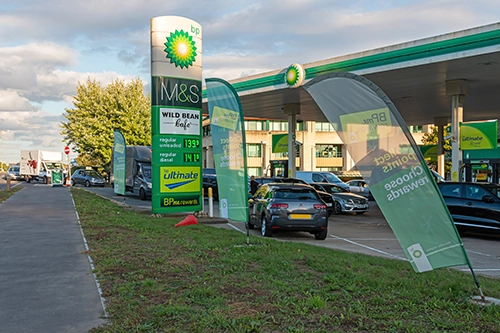
    Chancellor Rachel Reeves has accused petrol retailers of exploiting the crisis, pointing to huge price variations between forecourts.

    “Yesterday some petrol retailers were charging almost 180p a litre while others charged less than 130p a litre,” she said, vowing to meet companies this month “to get prices down at the pumps”.

    That 50p per litre gap means some drivers are paying up to £25 more per tank than others – simply by filling up at the wrong station.

    Where Prices Stand Now

    According to the our latest Fuel Finder data, average UK fuel prices have hit their highest levels in more than 20 months:

    • Petrol: 140.2p per litre
    • Diesel: 158.9p per litre

    Prices have increased by between 6p and 13p per litre since February 28, when the US and Israel launched strikes on Iran. The cost of filling a 55-litre family diesel car has jumped by as much as £6.67 in just over a week.

    Government figures published this week show petrol at 135.67p and diesel at 149.01p – with petrol up 3.5p in a single week and diesel surging 6.9p.

    A History of High Margins

    This isn’t the first time fuel retailers have faced scrutiny. In December, the CMA warned that fuel margins remained persistently high compared to historic levels – and that this could not be explained by retailers’ operating costs.

    Prices at the pump increased rapidly following Russia’s invasion of Ukraine in 2022 and have remained above pre-2022 levels ever since, even as wholesale costs fell.

    Liberal Democrat Treasury spokesperson Daisy Cooper said: “People have already been paying through the nose to fill up their car, as forecourts have jacked up their profit margins over a period of months.”

    She added: “Last time oil prices went up, petrol stations raised their profits even more, so people are now worried that this could happen yet again, at an even greater scale. Fuel giants should not be allowed to treat families already struggling with the cost of living like cash cows.”

    Why Shopping Around Has Never Been More Important

    The Chancellor’s revelation that prices range from under 130p to nearly 180p per litre shows just how much variation exists between forecourts. During volatile periods like this, the gap between the cheapest and most expensive stations widens dramatically.

    A quick price check before filling up could save you £10-25 per tank – far more than at any point in recent memory.

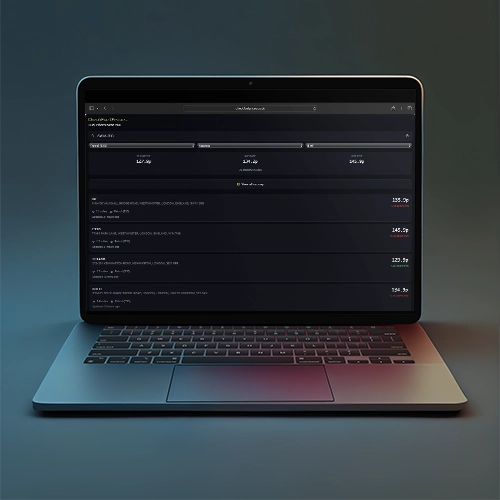
    Use CheckFuelPrices to compare prices at stations near you. Our data comes directly from the government’s Fuel Finder Scheme, updated within 30 minutes of any price change – so you’re seeing current prices, not yesterday’s figures.

    What Happens Next?

    The CMA will publish its findings once it has analysed retailer data. Meanwhile, the Chancellor has committed to meeting fuel companies this month to discuss pricing.

    Oil prices remain above $100 a barrel with the Middle East conflict showing no signs of resolution. Experts have warned that petrol could reach 150p and diesel 160p or higher if the situation continues.

    For drivers, the message is clear: expect further price rises, shop around for every fill-up, and consider whether every journey is essential.

    Report Price Discrepancies

    Spotted a forecourt charging significantly more than competitors nearby? You can help by reporting prices on CheckFuelPrices. The more drivers share information, the harder it becomes for retailers to charge excessive premiums without being noticed.

    Transparency is the best defence against price gouging – and every report helps.

  • Fuel Price Check Analysis – Week of March 10, 2026

    Fuel Price Check Analysis – Week of March 10, 2026

    Current Prices: Petrol 135.67p/L | Diesel 149.01p/L

    UK fuel prices have recorded their sharpest weekly increase in years as the Middle East conflict continues to disrupt global oil supplies. Petrol jumped 3.5p per litre while diesel soared 6.9p – extraordinary rises that will hit drivers hard at the pump.

    A 50-litre tank of petrol now costs £67.84, up £1.75 from last week. Diesel drivers are paying £74.51, a painful £3.45 more than seven days ago.

    The Numbers This Week

    • Petrol (ULSP): 135.67p per litre – up 3.5p this week
    • Diesel (ULSD): 149.01p per litre – up 6.9p this week

    These are the largest weekly increases since the aftermath of Russia’s invasion of Ukraine in 2022. With oil prices now trading above $100 a barrel, further rises are expected.

    Year-on-Year Comparison Flips

    For the first time in months, the year-on-year picture has shifted dramatically. Petrol remains 3.7p cheaper than March 2025 – but that gap is closing fast. Diesel has now crossed into negative territory: drivers are paying 2.4p more per litre than this time last year.

    Just a few weeks ago, motorists were enjoying year-on-year savings of nearly 8p on petrol and over 5p on diesel. Those savings have been wiped out in a matter of days.

    What’s Driving the Surge?

    The conflict between the US, Israel and Iran has now entered its second week with no signs of de-escalation. Oil prices have soared above $100 a barrel for the first time since 2022, driven by disruption to shipping through the Strait of Hormuz – through which around 20% of the world’s oil passes.

    The price breakdown shows where the increases are hitting:

    • Petrol base cost (pre-tax): 60.11p – up significantly from 56.81p a fortnight ago
    • Diesel base cost (pre-tax): 71.23p – up sharply from 64.93p
    • Fuel duty: 52.95p (unchanged)
    • VAT at 20%: 22.61p (petrol) / 24.84p (diesel)

    Diesel’s wholesale cost has risen faster than petrol, explaining the steeper increase at the pumps.

    The Diesel Premium Widens Further

    The gap between petrol and diesel has now stretched to 13.34p per litre – up from around 10p just two weeks ago. Diesel drivers are paying £6.67 more per 50-litre tank than petrol users.

    This widening spread reflects diesel’s greater exposure to global supply chain disruptions and the specific impact on Middle Eastern refining capacity.

    How High Could Prices Go?

    Analysis by the Energy and Climate Intelligence Unit shows the historic relationship between oil and pump prices:

    • Oil at $100/barrel: Petrol around 150p per litre
    • Oil at $120/barrel: Petrol around 170p per litre

    RAC head of policy Simon Williams warned last week: “Unleaded is almost certainly going to reach an average of 140p in the next week or so, while diesel looks highly likely to climb to at least 160p a litre.”

    With petrol already at 135.67p and diesel at 149.01p, those predictions are looking increasingly likely.

    Expert Advice: Drive Smarter, Shop Around

    AA president Edmund King has urged drivers to consider cutting non-essential journeys and adopting fuel-efficient driving habits to offset rising costs.

    Key tips to make your fuel go further:

    Drive smoothly – Harsh acceleration and braking can increase consumption by up to 30%.

    Slow down – 70mph uses 9% more fuel than 60mph, and 15% more than 50mph.

    Check tyre pressures – Under-inflated tyres increase fuel consumption.

    Remove excess weight – Every 50kg costs around 2% more fuel.

    Combine trips – A warm engine is more efficient than a cold one.

    Shop Around – It’s Never Been More Important

    During volatile periods, price differences between stations widen significantly. The gap between the cheapest supermarket forecourt and a premium branded station could now be 15-20p per litre or more.

    On a 50-litre tank, that’s £7.50 to £10 – a significant saving for a quick price check before filling up.

    Use CheckFuelPrices to compare prices at stations near you. We’re also tracking fuel availability through crowdsourced reports, so you can avoid queues and empty pumps.

    What Happens Next?

    The trajectory depends entirely on the conflict. If oil remains above $100 for an extended period, expect petrol to reach 140-150p and diesel to approach 160p or higher.

    For now, drivers should expect continued increases at the pumps over the coming weeks. The best defence is to drive efficiently, shop around for prices, and consider whether every journey is essential.

    We’ll continue tracking prices daily. Check back next week for the latest update.

  • Check Fuel Availability at Stations Near Me

    Check Fuel Availability at Stations Near Me

    With queues forming at petrol stations across the UK and some forecourts reporting temporary outages, we’ve launched a new crowdsourced feature to help drivers find stations that actually have fuel in stock.

    You can now report and check real-time fuel availability at any station on CheckFuelPrices – helping fellow drivers avoid wasted journeys to pumps that have run dry.

    How It Works

    When you visit a petrol station, you can now report:

    Fuel availability – Is petrol available? Diesel? Both? Neither?

    These reports appear instantly on our fuel price map and station listings, so other drivers can see at a glance which stations have fuel and which to avoid.

    Why We Built This

    Government fuel price data tells you what stations are charging – but not whether they actually have fuel to sell. During periods of high demand, that’s the information drivers really need.

    Our crowdsourced availability reports solve that problem. Before you set off, check which petrol stations near you have fuel in stock right now.

    Finding Petrol Stations With Fuel Near You

    If you’re searching for a petrol station with fuel near you, here’s how to use the feature:

    1. Visit CheckFuelPrices.co.uk or open the app from your home screen

    2. Enter your postcode or allow location access

    3. View nearby stations – those with recent availability reports will show stock status

    4. Check the timestamp to see how recent the report is

    5. After you fill up, submit your own report to help others

    Is There a Petrol Shortage?

    No. The UK has no fuel shortage. National supplies remain stable and tanker deliveries are continuing as normal.

    What we’re seeing is localised demand spikes – when lots of drivers try to fill up at once, individual stations can temporarily run dry before their next delivery arrives. This is a logistics issue, not a supply crisis.

    The Government has confirmed there are no reported impacts to UK fuel supply. AA president Edmund King has advised drivers: “There is no need to break your refuelling routine.”

    However, if you do need fuel and want to avoid queues or empty pumps, our availability checker helps you find stations with confirmed stock.

    Petrol Station Stock Checker: Report What You See

    The more drivers who contribute, the more useful this tool becomes. If you’ve just filled up – or found a station that’s run dry – take 10 seconds to submit a report.

    You’re not just helping yourself next time. You’re helping NHS workers get to shifts, parents doing school runs, and delivery drivers keeping businesses running.

    Every report helps build a real-time picture of fuel availability across the UK.

    Which Petrol Stations Have Fuel Right Now?

    Availability varies by area and changes throughout the day. Supermarket forecourts like Asda, Tesco, Sainsbury’s and Morrisons often see higher demand due to competitive pricing, meaning they can run dry faster during busy periods.

    Lesser-known independent stations and branded forecourts in quieter areas may have shorter queues and better availability. Our fuel map shows all options near you, not just the big names.

    Use the availability reports to find stations that have been confirmed in stock recently, and check queue reports to avoid long waits.

    Tips for Finding Fuel During High Demand

    Check before you travel – Don’t waste fuel driving to empty stations. Use our availability checker first.

    Try off-peak times – Early morning or late evening often has shorter queues and better stock levels after overnight deliveries.

    Look beyond supermarkets – Everyone heads for Asda and Tesco. Independent stations may have fuel when supermarkets don’t.

    Expand your search radius – If stations near you are empty, check availability 5-10 miles out. A short drive could save hours of queuing.

    Don’t fill up unless you need to – If you have half a tank, you probably don’t need to queue today. Panic buying creates the problem it fears.

    Fuel Availability Near Me: Stay Updated

    Bookmark CheckFuelPrices.co.uk or add it to your home screen for instant access to fuel availability reports in your area.

    We’re updating station data constantly as drivers submit new reports. During periods of high demand, check back regularly – availability can change within hours as deliveries arrive and stock sells through.

    Help Your Community

    Seen a queue stretching down the road? Found a station with no wait and plenty of fuel? Spotted pumps bagged off with “no fuel” signs?

    Report it. It takes seconds and helps thousands of other drivers make better decisions.

    Together, we can take the guesswork out of finding fuel – and help everyone avoid unnecessary stress, wasted journeys, and empty tanks.

    Check fuel availability near you now →

  • Fuel Price Check Analysis – Week of March 3, 2026

    Fuel Price Check Analysis – Week of March 3, 2026

    Current Prices: Petrol 132.14p/L | Diesel 142.15p/L

    Prices Jump as Middle East Conflict Hits Oil Markets

    UK fuel prices have risen sharply this week as the conflict between the US, Israel and Iran disrupts global oil supplies. Petrol is up 0.43p per litre while diesel has climbed 0.69p – the first significant weekly increases we’ve seen in months.

    The rises come after Brent crude oil surged from $73 to $80 per barrel over the weekend following strikes on Iran and retaliatory attacks across the Middle East. At least 150 tankers dropped anchor outside the Strait of Hormuz on Sunday as shipping through the critical waterway ground to a halt.

    Year-on-Year Comparison

    Despite this week’s increases, petrol remains cheaper than a year ago – though the gap is narrowing. At 132.14p, drivers are still paying less than the 139p+ seen in early March 2025. Diesel at 142.15p is also below year-ago levels, when prices were closer to 147p.

    The question now is how long that remains the case.

    What’s Driving the Increase?

    Around 20 per cent of the world’s gas and oil is shipped through the Strait of Hormuz, making it the most critical chokepoint in global energy supply. Iran has warned vessels not to pass through the strait, with international shipping coming to an effective standstill.

    Three vessels near the strait were struck by an “unknown projectile” over the weekend, according to the UK Maritime Trade Organisation. Several oil companies have suspended shipments entirely.

    How High Could Prices Go?

    AA president Edmund King predicted that petrol prices could return to levels last seen at the start of 2026, when a litre of petrol was an average of 135.7p. That would add another 3.5p to current prices.

    The RAC outlined scenarios based on oil prices: at $80 a barrel, expect petrol around 136p; at $90, over 140p; at $100, closer to 150p.

    At 150p per litre, a 50-litre fill would cost £75 – nearly £9 more than today’s £66.07.

    The Diesel Premium Widens

    The gap between petrol and diesel has stretched to 10.01p per litre – crossing the 10p threshold for the first time in recent weeks. Diesel drivers are now paying £5 more per 50-litre tank than petrol users, up from £4.88 last week.

    What Should Drivers Do?

    Mr King advised: “There is no need for drivers to break their refuelling routine. It takes time for cost increases to work their way through to the pump.”

    PetrolPrices director Andrew Watson added: “During periods of volatility, the gap between the highest and lowest local prices often widens.”

    That makes shopping around more important than ever. With prices varying by 20p or more per litre between stations during volatile periods, checking CheckFuelPrices before filling up could save you significant money as prices climb.

    Looking Ahead

    The chart shows prices had been relatively stable since late 2025, with petrol gradually declining from around 140p to the low 130s. This week marks a clear inflection point.

    How far prices rise depends on the duration and intensity of the conflict. Even if Iran shows signs of de-escalation, it could take a few weeks for shipping to return to normal.

    We’ll continue tracking prices daily. For now, expect gradual increases at the pumps over the coming weeks.

  • UK Fuel Prices Could Rise as Iran Conflict Disrupts Oil Markets

    UK Fuel Prices Could Rise as Iran Conflict Disrupts Oil Markets

    UK drivers should prepare for rising fuel prices in the coming weeks as conflict between the US, Israel and Iran sends shockwaves through global oil markets. Motoring groups are warning that petrol prices could reach record levels within days if the disruption continues.

    Where Prices Stand Now

    As of last week, average UK petrol prices sat at 131.71p per litre, with diesel at 141.46p. These figures represented a period of relative stability – petrol had barely moved (up just 0.1p) and diesel was unchanged week-on-week.

    Year-on-year, drivers had been enjoying significant savings: petrol was 7.9p cheaper than February 2025, while diesel was down 5.4p. That calm now looks set to end.

    What’s Happening?

    Conflict has spread across the Middle East after the US and Israel carried out strikes on Iran on Saturday, which were followed by retaliatory Iranian strikes on targets in the United Arab Emirates (UAE), Qatar, Bahrain, Jordan and Iraq. The country’s supreme leader Ali Khamenei was killed in a targeted attack on Saturday, and top officials have vowed not to negotiate with the United States.

    The key concern for fuel prices is the Strait of Hormuz – the narrow passage that provides the only route from the Persian Gulf to the open ocean, through which around 20 per cent of the world’s gas and oil is shipped.

    At least three vessels near the Strait of Hormuz were struck by an “unknown projectile” over the weekend, according to the UK Maritime Trade Organisation. At least 150 tankers dropped anchor in the open Gulf waters beyond the strait on Sunday, suggesting significant disruption.

    Iran has warned vessels not to pass through the strait, with international shipping coming to an effective standstill at the entrance to the passage.

    How High Could Prices Go?

    Between the evening of Friday 27 February and Sunday 1 March, the price of Brent crude oil rose from $73 to $80 per barrel – a rise of over 10 per cent.

    AA president Edmund King has issued a stark warning. He predicted that petrol prices could return to levels last seen at the start of 2026, when a litre of petrol was an average of 135.7p, compared with as low as 131.9p last month.

    That would represent a rise of around 4p per litre from current levels – adding roughly £2 to a 50-litre fill.

    The RAC’s head of policy, Simon Williams, outlined the potential impact at different oil price levels: “If oil were to climb to and stay at the $80 a barrel mark, then drivers could expect to pay an average of 136 pence for petrol. At $90, we’d be looking at over 140 pence a litre and $100 would take us nearer to 150 pence.”

    To put that in context: at 150p per litre, a 50-litre tank of petrol would cost £75 – nearly £10 more than the £65.85 it costs at today’s average prices.

    The AA adds that volatility in the market combined with the planned reversal of the 5p fuel duty cut could push prices to 142.5p per litre – equal to the highest level registered before the pandemic.

    The Fuel Duty Factor

    Adding to concerns is the planned increase in fuel duty. The 5p-per-litre cut introduced in March 2022 in response to Russia’s invasion of Ukraine is being reversed. Chancellor Rachel Reeves announced at November’s Budget that this would begin with a 1p increase in September this year, followed by 2p in December and the final 2p in March 2027.

    If oil prices remain elevated when these increases take effect, drivers could face a double hit.

    What Should Drivers Do?

    Mr King said: “There is no need for drivers to break their refuelling routine. It takes time for cost increases to work their way through to the pump.”

    With prices potentially varying by 20p or more per litre between stations during volatile periods, checking prices before you fill up becomes more important than ever.

    How Long Will This Last?

    The duration of any price spike depends entirely on how the conflict develops. Jorge Leon, senior vice president at energy intelligence firm Rystad Energy, said that if the strait was blocked, the resulting spike in oil prices could directly impact UK consumers.

    He warned that Iran is “taking quite a hawkish approach at the moment” and added: “Even if Iran shows signs of de-escalation, it could take a few weeks for shipping to return to normal as traffic clears and operators remain hesitant to use the strait.”

    It’s worth noting that despite increasing tensions, the price of oil remains well below the highs seen during Russia’s initial invasion of Ukraine, when the cost of oil soared to $114 per barrel, rising a few months later to a peak of $119.

    Government Response

    The Prime Minister’s official spokesman said: “The Government is monitoring the situation closely. The UK benefits from strong and diverse security of energy supplies. The Energy Secretary (Ed Miliband) spoke to the executive director of the International Energy Agency (Dr Fatih Birol) over the weekend.”

    The spokesman added: “There are currently no reported impacts to UK fuel supply.”

    What This Means For Your Wallet

    Here’s how rising prices could affect the cost of filling a 50-litre tank:

    ScenarioPetrol PriceCost Per TankIncrease vs Today
    Current average131.71p£65.85
    Return to January levels135.7p£67.85+£2.00
    Oil at $80/barrel136p£68.00+£2.15
    Oil at $90/barrel140p£70.00+£4.15
    Oil at $100/barrel150p£75.00+£9.15
    Worst case (with duty rise)142.5p£71.25+£5.40

    For drivers filling up weekly, even a return to January price levels would cost an additional £104 per year.

    The Bottom Line

    After weeks of stability and year-on-year savings, UK fuel prices are set to rise. The extent depends on how the conflict develops, but drivers should expect gradual increases over the coming weeks.

    The best defence is to shop around – during volatile periods, the gap between the cheapest and most expensive stations in your area often widens significantly.

  • Fuel Price Check Analysis – Week of February 23, 2026

    Fuel Price Check Analysis – Week of February 23, 2026

    Current Prices: Petrol 131.71p/L | Diesel 141.46p/L

    Prices Hold Steady

    UK fuel prices barely moved this week, with petrol edging up just 0.1p per litre and diesel unchanged. It’s the calmest week we’ve seen in months – a sign that the market has settled into a stable rhythm after the gradual declines earlier in the year.

    Year-on-Year Savings Keep Growing

    The annual comparison continues to look healthy for drivers. Petrol is now 7.9p cheaper than February 2025 – that’s £3.95 saved on every 50-litre fill, or around £205 over a year of weekly top-ups. Diesel is down 5.4p year-on-year, saving £2.70 per tank or roughly £140 annually.

    These are the best year-on-year figures we’ve reported so far in 2026.

    The Diesel Premium

    The gap between fuels remains at 9.75p per litre – virtually unchanged from last week. Diesel drivers are paying £4.88 more per 50-litre tank than petrol users. With wholesale diesel costs (64.93p pre-tax) holding steady while petrol crept up slightly (56.81p), the spread has stabilised after widening earlier in the month.

    Budget Watch

    With the Spring Budget approaching, all eyes are on whether the Chancellor will adjust the 52.95p fuel duty rate. Any change – up or down – would show up at the pumps within days. We’ll be covering any announcements as they happen.

    Find the Cheapest Fuel Near You

    National averages are useful, but what matters is what you’re paying locally. With the Fuel Finder Scheme now live, CheckFuelPrices pulls prices directly from the government database – updated within 30 minutes of any change. A quick search before you fill up could save you £10 or more per tank.

  • Free Fuel Price Widget: Embed Live UK Petrol & Diesel Prices on Your Website

    Free Fuel Price Widget: Embed Live UK Petrol & Diesel Prices on Your Website

    Want to add real-time fuel prices to your website? The CheckFuelPrices widget lets you embed live UK petrol and diesel prices in minutes – completely free, fully customisable, and powered by official government data.

    Whether you run a news site, motoring blog, local community page, or business website, giving your readers instant access to fuel prices keeps them engaged and coming back.

    Why Add a Fuel Price Widget?

    Fuel costs affect everyone. With petrol averaging 131.60p and diesel at 141.46p per litre, drivers are actively searching for ways to save money at the pump. A fuel price widget on your site:

    Increases engagement – Visitors check prices, bookmark your page, and return regularly for updates.

    Adds genuine value – You’re giving readers useful, actionable information they can use immediately.

    Requires zero maintenance – Prices update automatically every 30 minutes. Set it up once and forget it.

    Costs nothing – The widget is completely free with no usage limits, no API keys, and no premium tiers.

    Powered by Official Data

    Since February 2026, all UK petrol stations must report prices to the government’s Fuel Finder Scheme within 30 minutes of any change. The CheckFuelPrices widget pulls directly from this official source, meaning your readers see accurate, current prices – not stale crowdsourced guesses.

    Over 8,000 UK stations are covered, with more joining the scheme daily.

    How It Works

    Adding the widget to your site takes two minutes:

    Option 1: JavaScript embed (recommended)

    Add the script to your page:

    <script src="https://checkfuelprices.co.uk/js/widget.js"></script>
    

    Then place a container where you want the widget:

    <div data-cfp-widget data-postcode="SW1A 2DR"></div>
    

    → Build this widget visually with the configurator

    Option 2: iframe embed (for Wix, Squarespace, etc.)

    If your platform restricts custom scripts:

    <iframe
        src="https://checkfuelprices.co.uk/widget/embed?postcode=SW1A%202DR"
        width="100%"
        height="600"
        frameborder="0"
        title="Fuel Prices Widget"
    ></iframe>
    

    → Generate your iframe code with the configurator

    That’s it. The widget appears with live prices for the specified location.

    Fully Customisable

    Tailor the widget to match your site and audience:

    Location – Set a default postcode, city, or GPS coordinates. Perfect for local news sites covering specific areas.

    Fuel type – Show E10 petrol, E5 super unleaded, diesel, or premium diesel. A motoring site might show all options; a logistics blog might default to diesel.

    Sort order – Display by nearest station, cheapest price, or most expensive (useful for price comparison content).

    Search radius – From 2 miles for urban areas to 50 miles for rural coverage.

    Number of stations – Show 3 for a compact sidebar widget or up to 20 for a full-page feature.

    Theme – Light, dark, or auto-match to your site’s colour scheme.

    Brand filter – Show only specific brands like Tesco, Asda, Shell, or BP.

    Search bar – Include it so visitors can search their own postcode, or hide it for a cleaner look.

    → Explore all options in the widget configurator

    Example Configurations

    For a local news site covering Manchester:

    <div 
        data-cfp-widget 
        data-postcode="M1 1AE"
        data-limit="10"
        data-radius="10"
    ></div>
    

    → Customise this in the configurator

    For a motoring blog sidebar (compact, no search):

    <div 
        data-cfp-widget 
        data-postcode="London"
        data-show-search="false"
        data-show-filters="false"
        data-limit="5"
    ></div>
    

    → Customise this in the configurator

    For a fleet/logistics site (diesel only, cheapest first):

    <div 
        data-cfp-widget 
        data-postcode="Birmingham"
        data-fuel="B7"
        data-sort="price_low"
        data-radius="25"
    ></div>
    

    → Customise this in the configurator

    For a national site (let users search their area):

    <div 
        data-cfp-widget 
        data-search-first="true"
        data-limit="10"
    ></div>
    

    → Customise this in the configurator

    Lightweight & Fast

    The widget is built for performance:

    Shadow DOM isolation – Styles won’t conflict with your existing CSS.

    Lazy loading – Only loads when visible, keeping your page speed scores healthy.

    Minimal footprint – No bulky frameworks or dependencies.

    Your Core Web Vitals won’t take a hit.

    Use Cases

    News websites – Add a fuel price widget to your money, motoring, or local news sections. Update your weekly fuel price articles with live, embedded data rather than static screenshots.

    Motoring blogs – Give readers practical value alongside your reviews and guides.

    Local community sites – Show prices for your specific town or region.

    Business websites – Fleet operators, delivery companies, and logistics firms can embed prices for quick driver reference.

    Comparison sites – Add fuel prices alongside your existing financial or consumer tools.

    Price tracking content – Embed the widget within articles about fuel costs, making your content more interactive and evergreen.

    Technical Details

    For developers who want more control, the widget offers a JavaScript API:

    const widget = new FuelPriceWidget('#my-container', {
        postcode: 'SW1A 2DR',
        fuel: 'E10',
        theme: 'dark',
        limit: 10
    });
    
    // Update location dynamically
    widget.setLocation(51.5074, -0.1278);
    
    // Change fuel type
    widget.setFuel('B7');
    
    // Refresh data
    widget.refresh();
    

    → Start with the visual configurator, then customise with the API

    All Configuration Options

    AttributeDescriptionExample Values
    data-postcodeLocation to searchSW1A 2DR, Manchester, Leeds
    data-coordsGPS coordinates“51.5074, -0.1278”
    data-fuelFuel typeE10, E5, B7, SDV
    data-sortSort orderdistance, price_low, price_high
    data-radiusSearch radius (miles)1-50
    data-limitStations to show1-20
    data-themeColour themelight, dark, auto
    data-brandFilter by brandShell, BP, Tesco, Asda
    data-show-searchShow search bartrue, false
    data-show-filtersShow filter dropdownstrue, false
    data-search-firstUser enters location firsttrue, false

    → Configure all these options visually

    No Catches

    The widget is genuinely free:

    • No usage limits
    • No API keys required
    • No mandatory attribution (though a link back is appreciated)
    • No premium tier or paywalled features
    • No ads injected into the widget

    We built this to make fuel price data more accessible. The more sites embedding it, the more drivers benefit.

    Get Started

    Ready to add live fuel prices to your site?

    1. Visit the widget configurator to build your widget visually
    2. Copy the generated embed code
    3. Paste it into your website
    4. Done – prices update automatically

    Need help integrating or have a feature request? Get in touch.

    See It In Action

  • Best Petrol Price App UK: Compare the Top Fuel Finder Apps

    Best Petrol Price App UK: Compare the Top Fuel Finder Apps

    With fuel prices varying by up to 20p per litre between stations, a good petrol price app can save UK drivers hundreds of pounds a year. But which fuel finder app actually delivers? We’ve compared the top options to help you find the best fuel finder for your needs.

    What to Look For in a Fuel Price App

    Before diving into the options, here’s what separates a useful fuel finder from a frustrating one:

    Data accuracy – How fresh are the prices? User-submitted data can be days old. Apps using the government’s Fuel Finder Scheme show petrol prices and diesel prices updated within 30 minutes.

    Coverage – How many UK stations are included? The more comprehensive, the better your chances of finding the cheapest option.

    Ease of use – Can you check prices quickly, or do you need to create an account, verify your email, and navigate ads first?

    Cost – Is it genuinely free, or are the best features locked behind a subscription?


    1. PetrolPrices

    Website: petrolprices.com

    Overview: One of the longest-running fuel price services in the UK, PetrolPrices has been helping drivers find cheaper fuel since 2006. The platform offers petrol prices and diesel prices across thousands of UK stations.

    Pros:

    • Established brand with nearly two decades of fuel price data
    • Price alerts when fuel drops in your area
    • Journey planner to find cheap fuel along your route
    • Cashback offers and deals through partnerships

    Cons:

    • Requires account registration to access full features
    • Some features reserved for premium membership
    • Relies partly on user-submitted prices, which can become outdated
    • App interface can feel cluttered with offers and promotions

    Best for: Drivers who want price alerts and don’t mind creating an account.


    2. CheckFuelPrices

    Website: checkfuelprices.co.uk

    Overview: A newer entrant focused on simplicity and official data. CheckFuelPrices integrates directly with the government’s Fuel Finder Scheme, launched in February 2026, which requires all UK stations to report petrol prices and diesel prices within 30 minutes of any change.

    Pros:

    • No account or sign-up required – just search and go
    • Official Fuel Finder Scheme data means prices updated within 30 minutes
    • Works as a Progressive Web App (PWA) – add to home screen without downloading from app stores
    • Clean, fast interface with no ads or upsells
    • Filter by fuel type: E10 petrol prices, E5 super unleaded, diesel prices, premium diesel
    • Browse by brand (Tesco, Asda, Esso, BP, Shell, etc.)
    • Fuel price map for visual comparison
    • Completely free with no premium tier

    Cons:

    • No price alerts (yet)
    • No journey planning feature
    • Newer service, less established than some competitors

    Best for: Drivers who want the best fuel finder experience without creating an account or navigating a cluttered app.


    3. Waze

    Overview: Primarily a navigation app, Waze includes crowdsourced fuel prices reported by its community of drivers.

    Pros:

    • Integrated into navigation – see petrol prices and diesel prices while routing
    • Large user community means decent coverage
    • Free to use

    Cons:

    • Fuel prices are crowdsourced and can be outdated
    • Not a dedicated fuel finder – features are secondary to navigation
    • Requires account to contribute prices
    • Price accuracy varies significantly by area

    Best for: Drivers already using Waze for navigation who want basic fuel price info without switching apps.


    How the Fuel Finder Scheme Changes Things

    Since February 2026, all UK petrol stations must report prices to a central government database within 30 minutes of any change. This Fuel Finder Scheme has transformed the accuracy of petrol prices and diesel prices available to apps that integrate it.

    Apps pulling directly from this official source (like CheckFuelPrices) now offer significantly fresher data than those relying on crowdsourced reports, where prices might be days or even weeks old.

    When choosing a fuel finder app, it’s worth checking whether it uses Fuel Finder Scheme data or relies on user submissions.


    Quick Comparison

    AppSign-up RequiredData SourceFree to UseUK-Focused
    PetrolPricesYesMixed (users + feeds)Partly (premium tier)Yes
    CheckFuelPricesNoFuel Finder SchemeYes (fully free)Yes
    WazeYes (to contribute)CrowdsourcedYesNo (global)

    Current UK Fuel Prices

    As of February 2026, average UK petrol prices sit at 131.60p per litre, with diesel prices at 141.46p. However, these are national averages – actual prices at individual stations can vary by 20p or more per litre.

    On a 50-litre tank, that’s a potential £10 difference between the cheapest and most expensive stations in your area. Using a fuel finder before you fill up takes seconds and can save you over £500 a year.


    How to Add CheckFuelPrices to Your Phone

    If you want to try the no-sign-up approach, CheckFuelPrices works as a Progressive Web App – giving you the best fuel finder experience without the app store hassle:

    iPhone (Safari):

    1. Visit CheckFuelPrices.co.uk
    2. Tap the Share button
    3. Tap “Add to Home Screen”

    Android (Chrome):

    1. Visit CheckFuelPrices.co.uk
    2. Tap the three-dot menu
    3. Tap “Add to Home Screen” or “Install App”

    No download, no account, no storage footprint. Just instant access to live petrol prices and diesel prices across the UK.


    The Bottom Line

    For drivers who want price alerts and don’t mind registering, PetrolPrices offers a mature platform with additional features like journey planning and cashback deals.

    For those who just want to check petrol prices and diesel prices quickly without any friction, CheckFuelPrices delivers the best fuel finder experience – official Fuel Finder Scheme data in a clean, free, no-account-needed package.

    If you’re already using Waze for navigation, its built-in fuel features might be good enough for occasional checks – but a dedicated fuel finder offers more comprehensive and accurate price comparisons.

    Whichever you choose, using any fuel price app regularly beats filling up blind. Check the prices, find the cheapest station, and keep more money in your pocket.

  • Fuel Price Check Analysis – Week of February 16, 2026

    Fuel Price Check Analysis – Week of February 16, 2026

    Current Prices: Petrol 131.60p/L | Diesel 141.46p/L

    The Downward Run Pauses

    After several weeks of falling prices, UK fuel costs have ticked up slightly. Petrol edged up just 0.1p per litre – essentially flat – while diesel rose 0.7p. It’s the first increase for diesel in over a month, though both fuels remain near their recent lows.

    Year-on-Year Savings Still Strong

    Despite this week’s pause, the annual picture remains positive. Petrol is 7.6p cheaper than February 2025 – that’s £3.80 saved on every 50-litre fill, or around £198 over a year of weekly top-ups. Diesel is down 5.0p year-on-year, saving £2.50 per tank or roughly £130 annually.

    The Diesel Premium Widens

    The gap between fuels has stretched to 9.86p per litre, up from 9.20p last week. Diesel drivers are now paying £4.93 more per 50-litre tank than petrol users. The widening spread comes as diesel wholesale costs (64.93p pre-tax) rose while petrol held steady (56.71p). Worth watching if you’re weighing up fuel types for your next vehicle.

    Finding the Cheapest Fuel Near You

    With the Fuel Finder Scheme now live, CheckFuelPrices is pulling prices directly from the government’s central database – updated within 30 minutes of any change at participating forecourts. Price differences of up to 20p per litre between stations mean a quick search before filling up could save you £10 on a single tank.

    Looking Ahead

    This week’s small uptick looks more like a blip than a trend reversal. Oil markets remain relatively stable, and with the Spring Budget approaching, all eyes are on whether the Chancellor will adjust the 52.95p duty rate.

  • Our Fuel Finder Integration Update

    Our Fuel Finder Integration Update

    4th February 2025

    We’ve integrated the government’s new Fuel Finder API to bring you fuel prices from across the UK. Here’s where we’re at.

    What’s Happening

    The Fuel Finder API is experiencing intermittent connectivity issues. When the connection is available, we’re pulling and updating prices — but it’s not as reliable as we’d like right now.

    As a workaround, we’re also working on importing the CSV file the government provides as a backup data source.

    Filling the Gaps

    Not all stations in the Fuel Finder database are reporting prices yet. For those stations, we’re using our retailer feeds to fill in the blanks:

    • Ascona Group
    • Asda
    • BP
    • Esso Tesco Alliance
    • JET Retail UK
    • Karan Retail Ltd
    • Morrisons
    • Moto
    • Motor Fuel Group
    • Rontec
    • Sainsbury’s
    • SGN
    • Shell
    • Tesco

    This means you’re still getting prices for stations that haven’t submitted to the scheme, mapped against the official Fuel Finder station data.

    What’s Next

    We’re monitoring the API and updating prices whenever connectivity allows. Once the government’s system stabilises, you’ll see more consistent updates across all stations.

    Thanks for bearing with us while we work through the teething issues of this new scheme.